Affordable Mudjacking St. Louis Solutions for Concrete Lifting
The Ultimate Guide to Concrete Leveling: Techniques and Benefits for a Flawless Foundation
Concrete leveling is an essential yet often overlooked aspect of property maintenance. Several approaches, such as mudjacking and polyurethane injection, are capable of effectively repairing uneven surfaces. Homeowners can experience notable benefits, including greater safety and the preservation of property value. However, recognizing when leveling is necessary and selecting the appropriate method can be challenging. Gaining insight into the complexities of these methods may uncover benefits beyond mere aesthetic enhancements; it could protect a home's structural foundation for the long term.
Key Facts About Concrete Leveling
Concrete leveling is an essential process for maintaining the integrity and aesthetics of residential and commercial surfaces. Over time, factors such as soil settlement, weather conditions, and heavy loads can cause concrete slabs to become uneven. This not only افتح المصدر compromises the structural stability but can also lead to safety hazards, such as tripping and water pooling. Recognizing the significance of concrete leveling is essential for property owners, as it aids in maintaining the value and usability of their assets.
Moreover, ignoring uneven concrete surfaces can lead to costly repairs and possible damage to surrounding structures. Periodic assessments and timely interventions can minimize these risks. Property managers should recognize the signs of uneven concrete, including cracks, gaps, and uneven drainage patterns. In the end, recognizing the necessity of concrete leveling can result in better decisions, promoting long-term safety and durability for all types of properties, both residential and commercial.
Leading Approaches for Effectively Leveling Concrete
When seeking efficient concrete leveling methods, multiple distinguished techniques emerge as top choices. Traditional mudjacking presents a well-established method, while polyurethane foam injection offers contemporary benefits. Additionally, the use of self-leveling compounds delivers a multifaceted solution for producing a perfectly even and polished surface.
Understanding the Mudjacking Process
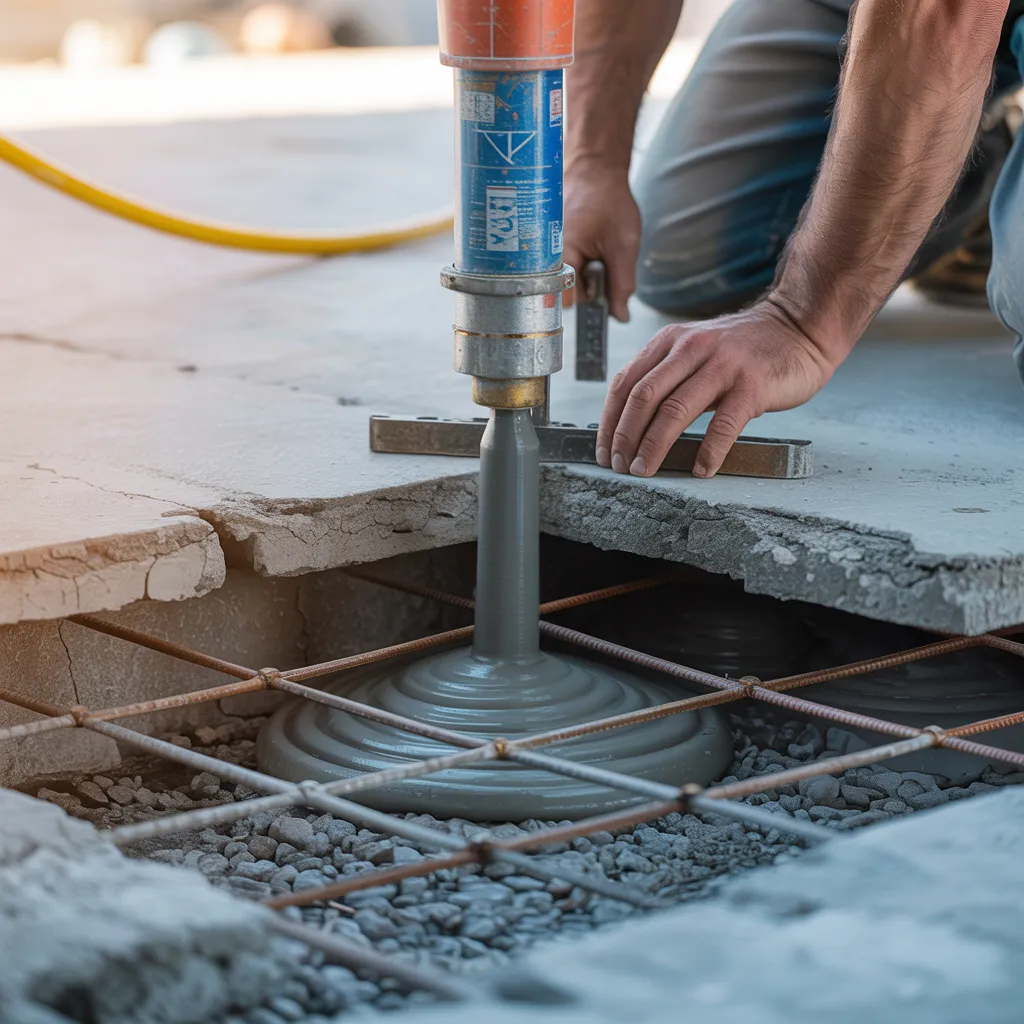
Restoring sunken or uneven concrete surfaces often involves the mudjacking process, an exceptionally reliable technique for leveling. This method entails drilling small holes into the affected concrete slab and injecting a mixture of water, soil, and cement beneath it. As the compound is introduced, it fills gaps and restores the slab to its proper position. Mudjacking is favored for its cost-effectiveness and speed, allowing for quick repairs with minimal disruption. It is most advantageous for patios, driveways, and sidewalks, where irregular surfaces can present safety concerns. By rebuilding structural integrity and boosting visual appeal, mudjacking not only maximizes the usability of concrete surfaces but also increases their durability, making it a preferred solution among homeowners and contractors alike.
Polyurethane Injection Advantages
Polyurethane injection stands out as a modern solution for addressing unlevel concrete areas, providing significant benefits compared to conventional techniques such as mudjacking. This technique involves injecting a light polyurethane foam material below the concrete, that expands to fill existing voids, effectively lifting the slab. One significant benefit is its rapid curing time, typically permitting use within just hours, minimizing disruption. Additionally, polyurethane foam is highly resistant to water, reducing the risk of future settling. The injection process is also less invasive, needing only smaller entry points and leading to less damage to the surrounding area. Furthermore, the light weight of polyurethane eliminates added strain on the ground beneath, guaranteeing durable outcomes for a range of concrete structures. Ultimately, polyurethane injection offers a practical, long-lasting, and effective approach to concrete leveling.
Self-Leveling Compound Treatment
Obtaining a smooth, level surface with a self-leveling compound requires thorough preparation and application techniques. Initially, the existing concrete surface must be cleaned thoroughly to clear away debris, dust, and grease. After confirming the surface is dry, any cracks should be filled and primed to encourage stronger adhesion. Blending the self-leveling compound according to the manufacturer's guidelines is critical; the right consistency ensures optimal flow. Pouring the compound in a continuous manner and using a gauge rake can help distribute it evenly. It is important to work quickly, as self-leveling compounds harden quickly. Lastly, allowing the compound to fully harden before applying any flooring material ensures a sturdy and perfect foundation.
Why Homeowners Benefit from Concrete Leveling
Concrete leveling gives homeowners a reliable method to resolve uneven surfaces that can threaten both safety and curb appeal. A key advantage is the improvement of property value; an even surface supports a more attractive home exterior and practical outdoor areas. Moreover, it lowers the chance of injuries caused by uneven surfaces, creating a safer setting for both residents and visitors.
Additionally, concrete leveling is generally a affordable solution to replacing the entire slab, saving homeowners both time and money. The method can be completed quite efficiently, minimizing disturbance to day-to-day activities. It also helps prevent further damage to the property by correcting root causes, such as moisture intrusion and structural instability. By making sure surfaces remain level, homeowners can also increase the durability of their driveways, patios, and walkways. Overall, concrete leveling offers a simple means to boost property value, safety, and aesthetics.
How to Know When Concrete Leveling Becomes Necessary
Uneven concrete areas can appear in a number of ways, indicating that leveling is required. Homeowners may notice cracks, gaps, or heaving in driveways, sidewalks, or patios. Water pooling in specific areas, rather than draining away, is another indicator of an underlying issue. Furthermore, raised concrete slabs can create dangerous trip hazards, presenting safety concerns for both residents and visitors.
Within basements or garages, uneven floors can lead to problems with installed fixtures or appliances, impacting how they function. Checking for visible indicators, like sloped surfaces or divisions between slabs, is critically important. Furthermore, doors and windows could stick or be unable to close properly as a result of shifting foundations.
Routine evaluations of outdoor and indoor concrete can assist in identifying these red flags early. Resolving these concerns in a timely fashion secures lasting structural stability and enhances the overall safety and aesthetic appeal of the building.
Finding the Most Suitable Leveling Method for Your Purposes
Determining the right method for concrete leveling requires a clear understanding of the various options available. Elements such as the level of damage present, the type of surface, and financial limitations play an essential role in this decision. By examining these considerations, property owners can pinpoint the most practical option for their unique circumstances.
Categories Of Leveling Methods
When selecting a leveling approach, it is important to consider the unique demands of the job, as different methods offer unique benefits and drawbacks. Frequently used methods include mud jacking, where a concrete mixture is pumped under slabs to raise them, and foam injection, which offers a lightweight, fast-setting alternative. Moreover, grinding removes elevated areas to establish an even surface, while screeding is employed on fresh concrete to achieve a uniform finish. Each method varies in cost, time efficiency, and suitability for different types of surface issues. At the end of the day, determining the right leveling method relies on factors like the extent of the problem, environmental conditions, and the desired longevity of the repair, ensuring optimal outcomes for any concrete leveling endeavor.
Key Factors To Evaluate
Selecting the most suitable leveling method demands a detailed evaluation of multiple key considerations that influence the efficiency of the restoration. To begin, the extent of the deterioration is crucial; slight movement may call for only surface-level repairs, while major displacement may demand more thorough interventions. Furthermore, soil conditions play a significant role; expansive or unstable soils can determine the preferred approach. Moreover, budget constraints must be taken into account, as different techniques range in expense and lifespan. Additionally, the intended use of the space should inform the choice, as heavy loads may necessitate reinforced approaches. Lastly, the surrounding environmental elements can impact material performance and lifespan, making it critical to evaluate local conditions before moving forward.
Next Steps After Leveling Your Concrete Surface
Following the leveling of a concrete surface, the next steps are fundamental for ensuring durability and aesthetics. To begin, allowing sufficient curing time is crucial. Generally, this timeframe spans from 24 hours to multiple days, depending on the type of leveling compound used. During this phase, keeping the surface moist can prevent cracking and enhance strength.
Once cured, applying a sealant to the surface is advisable to prevent damage from moisture, stains, and wear. A high-quality concrete sealer can increase the durability of the surface. Additionally, using a finish, such as an epoxy coating or paint, can improve the appearance and performance of the concrete.
Regular maintenance, including cleaning and inspections, is critical to identify and address any potential issues early. Finally, avoiding heavy traffic on the newly leveled surface for a week or more can help maintain its integrity, ensuring that the results of the leveling process remain effective for years to come.
Common Questions and Answers
How Long Does Concrete Leveling Typically Take?
The concrete leveling process usually takes several hours to a complete day, based on the size of the area and the technique applied. Weather conditions and curing time may also affect how long the entire process takes.
Is Concrete Leveling a DIY Project?
Concrete leveling is achievable as a DIY endeavor, but it requires careful planning and proper tools. Homeowners who are experienced in home renovation may complete the project effectively, while those new to the task may want to consider expert guidance to guarantee the best results.
What Are the Expenses Involved in Concrete Leveling?
Prices for concrete leveling generally fall from $2 to $10 per square foot, depending on factors like the extent of the damage, materials used, and area labor rates. Further charges may stem from prep work or equipment fees.
Can I Step on Leveled Concrete Straight Away?
Walking on freshly leveled concrete immediately is generally not recommended. It typically requires a hardening period, enabling the compound to solidify adequately. This guarantees durability and prevents damage, with timelines varying based on the specific leveling method used.
What Materials Are Used in Concrete Leveling?
Concrete leveling commonly requires materials such as polymer-modified cement, self-leveling compounds, and adhesion-enhancing additives. Equipment such as floats and trowels are also commonly employed to ensure a flat, consistent surface during the application.